

🇮🇷 UNESCO World Heritage Sites in Iran (2025): Complete Travel Guide & Tips
✨ Explore the Timeless Treasures of Iran ✨
Looking for an unforgettable cultural adventure? Iran, one of the most underrated yet richly rewarding travel destinations in the world, is home to 27 awe-inspiring UNESCO World Heritage Sites (as of 2025). Imagine wandering through the majestic ruins of Persepolis, where ancient kings once ruled a vast empire, or strolling the cool, shaded pathways of a Persian garden—a living symbol of paradise and harmony.
From desert oases to grand mosques, ancient cities, and ingenious water systems, these sites reflect over 7,000 years of Persian civilization, culture, architecture, and natural beauty. Iran is a land where history breathes through every stone and structure, and every site tells a story of global significance.
Whether you’re a backpacker, history buff, culture enthusiast, or travel photographer, Iran’s UNESCO World Heritage Sites promise some of the most authentic and soul-stirring travel experiences in the Middle East.
Cultural and Historical UNESCO Sites in Iran
🕍 Armenian Monastic Ensembles of Iran (2008)
📍 Located in Northwest Iran
Step into the spiritual heart of northwest Iran with the Armenian Monastic Ensembles, a UNESCO World Heritage Site featuring centuries-old Armenian churches surrounded by breathtaking mountain scenery. These historic monasteries—including St. Thaddeus, St. Stepanos, and Dzordzor—offer a rare glimpse into Christian heritage in Iran and showcase a blend of Armenian architecture and Persian cultural influences.
🧳 Perfect for:
-
Cultural travelers
-
Religious tourism seekers
-
Architecture and history enthusiasts
✨ Best visited in spring or early autumn when the region’s landscapes are at their most picturesque.
🔗 Related Tour: [Religious Heritage Tours in Iran]
🔗 Learn More: [Top Historical Churches in Iran]
🏜️ Bam and Its Cultural Landscape (2004) – A Silk Road Desert Marvel
📍 Kerman Province, Southeastern Iran
Step into the heart of Persian desert architecture with a visit to Arg-e Bam, the world’s largest adobe fortress. 🌍 Once a thriving hub along the ancient Silk Road, Bam tells the story of trade, resilience, and life in the harsh Iranian desert. The fortified city, with its maze-like alleys and watchtowers, offers a breathtaking glimpse into Iran’s historic desert cities.
✅ Why Visit?
-
Explore one of the most iconic examples of mud-brick architecture in the world
-
Perfect for lovers of Silk Road history, desert photography, and UNESCO World Heritage Sites
-
A must-see on your Kerman travel itinerary
📅 Best Time to Visit: October to April (mild weather ideal for exploring)
🔗 Related Links:
-
[Explore Iran’s Desert Architecture]
-
[Kerman Travel Guide: Top Attractions & Tips]
-
[Historic Sites Along the Silk Road in Iran]
🏛️ Bisotun (2006) – Ancient Persian Archaeological Treasure
📍 Kermanshah Province, Western Iran
Discover the Bisotun Inscription, a UNESCO World Heritage Site famous for its multilingual carvings that played a key role in decoding the ancient cuneiform script. This archaeological gem offers an incredible glimpse into the history of the Achaemenid Empire and the rich legacy of ancient Persia. 🪨
✅ Why Visit Bisotun?
-
Explore one of Iran’s most important ancient archaeological sites
-
Ideal for history lovers, archaeologists, and cultural travelers
-
Experience breathtaking rock reliefs and inscriptions dating back over 2,500 years
📅 Best Time to Visit: Spring and autumn for comfortable weather and clear views
🔗 Related Links:
-
[Ancient Persia Tour Package]
-
[Top Archaeological Sites in Iran]
🏞️ Cultural Landscape of Hawraman/Uramanat (2021) – Authentic Kurdish Heritage
📍 Kurdistan & Kermanshah Provinces, Western Iran
Explore the stunning mountainous region of Hawraman/Uramanat, where ancient Kurdish stone villages blend seamlessly with the natural landscape. This UNESCO World Heritage Site highlights traditional Kurdish architecture and sustainable farming practices that have been preserved for centuries. 🌿
✅ Why Visit Hawraman/Uramanat?
-
Experience authentic Kurdish culture and hospitality
-
Discover eco-friendly agricultural traditions in a breathtaking mountain setting
-
Perfect for travelers interested in cultural heritage tours and off-the-beaten-path destinations
📅 Best Time to Visit: Spring and early autumn for vibrant landscapes and pleasant weather
🔗 Related Links:
-
[Cultural Villages of Iran]
-
[Hidden Gems in Western Iran]
-
[Kurdish Culture and Traditions Tour]
🏡 Cultural Landscape of Maymand (2015) – Unique Troglodyte Village Experience
📍 Kerman Province, Southeastern Iran
Step back in time and experience life like ancient villagers in Maymand, one of Iran’s rare troglodyte settlements carved into rocky cliffs. This UNESCO site offers travelers a fascinating glimpse into traditional rural cave dwellings still inhabited today—a truly unforgettable cultural adventure! 🪓
✅ Why Visit Maymand?
-
Stay overnight in authentic hand-carved cave homes
-
Discover ancient lifestyles preserved over thousands of years
-
Ideal for travelers seeking off-the-beaten-path destinations and immersive cultural experiences
📅 Best Time to Visit: Spring and autumn for mild weather and comfortable exploration
🔗 Related Links:
-
[Off-the-Beaten-Path Destinations in Iran]
-
[Kerman Province Travel Guide]
-
[Unique Cultural Experiences in Iran]
🏰 Golestan Palace (2013) – Majestic Qajar-Era Royal Residence
📍 Tehran, Capital of Iran
Begin your Tehran city tour at the stunning Golestan Palace, a UNESCO World Heritage Site showcasing exquisite Qajar-era architecture, intricate mirrored halls, and lush royal gardens. This historic palace complex offers a dazzling insight into Persian royal life and art. 👑
✅ Why Visit Golestan Palace?
-
Explore beautifully decorated halls and traditional Persian gardens
-
Learn about Iran’s royal history and Qajar dynasty culture
-
Perfect for history buffs, architecture lovers, and city explorers
📅 Best Time to Visit: Spring and autumn to enjoy the gardens in full bloom
🔗 Related Links:
-
[Top Attractions in Tehran]
-
[Tehran City Tours]
-
[Historic Palaces of Iran]
🏛️ Gonbad-e Qābus (2012) – Iconic Brick Tower & Early Islamic Architecture
📍 Golestan Province, Northern Iran
Discover Gonbad-e Qābus, one of the tallest and oldest brick towers in the world, famous for its striking Islamic geometric design dating back to the 11th century. This UNESCO World Heritage Site is a must-visit for architecture lovers and history enthusiasts exploring northern Iran.
✅ Why Visit Gonbad-e Qābus?
-
Admire early examples of Islamic art and engineering
-
Explore a rare monument showcasing Persian architectural innovation
-
Ideal for travelers interested in historic towers and UNESCO heritage sites
📅 Best Time to Visit: Spring and autumn for pleasant weather
🔗 Related Links:
-
[Historic Monuments of Iran]
-
[Golestan Province Travel Guide]
🏛️ Hegmataneh (2024) – Ancient City Ruins of the Median Empire
📍 Hamedan, Western Iran
Explore Hegmataneh, one of the oldest continuously inhabited cities in the world, revealing archaeological layers from the Median Empire to the Islamic era. This site offers a fascinating journey through ancient Persian history and urban development.
✅ Why Visit Hegmataneh?
-
Walk through ruins dating back over 2,500 years
-
Learn about Median, Achaemenid, and Islamic periods in Iran
-
Perfect for history buffs and archaeology fans
📅 Best Time to Visit: Spring and autumn for mild temperatures
🔗 Related Links:
-
[Ancient Cities of Iran]
🌞 Historic City of Yazd (2017) – Desert Architecture & Zoroastrian Heritage
📍 Yazd, Central Iran
Step into the Historic City of Yazd, a UNESCO-listed living museum famous for its ingenious desert architecture—including wind towers (badgirs), adobe homes, and ancient Zoroastrian fire temples. Yazd is an essential stop for travelers seeking authentic Persian culture in a desert setting.
✅ Why Visit Yazd?
-
Experience traditional Persian desert design and climate adaptation
-
Discover the spiritual heritage of Zoroastrianism
-
Explore charming old town alleys and historic bazaars
📅 Best Time to Visit: Spring and autumn for the best weather
🔗 Related Links:
-
[Zoroastrian Sites in Iran]
-
[Desert Cities of Iran]
🕌 Masjed-e Jāmé of Isfahan (2012) – Masterpiece of Islamic Architecture
📍 Isfahan, Central Iran
Visit the stunning Masjed-e Jāmé (Friday Mosque) of Isfahan, a UNESCO World Heritage Site showcasing centuries of Islamic architectural evolution. Its intricate tilework, grand prayer halls, and diverse styles from various dynasties make it a highlight for culture lovers and photographers.
✅ Why Visit Masjed-e Jāmé?
-
Explore a historic mosque with layers of Persian and Islamic art
-
Admire the mosque’s vast prayer hall and detailed tile mosaics
-
A key stop on any Isfahan city tour
📅 Best Time to Visit: Spring and autumn for comfortable sightseeing
🔗 Internal Links:
-
[Isfahan City Tour]
-
[Islamic Architecture in Iran]
-
[Top Attractions in Isfahan]
🌐 Meidan Emam, Isfahan (1979) – Safavid Architecture & Cultural Hub
📍 Isfahan, Central Iran
Discover Meidan Emam, the iconic UNESCO square at the heart of Isfahan, showcasing magnificent Safavid-era architecture. Surrounded by majestic mosques like the Shah Mosque and elegant palaces, it’s a must-visit spot for travelers seeking Iran’s rich cultural and historical experiences.
✅ Why Visit Meidan Emam?
-
Experience grand Persian-Islamic architectural masterpieces
-
Wander through one of the world’s largest city squares
-
Enjoy vibrant local markets and cultural events
📅 Best Time to Visit: Spring and autumn for pleasant weather
🔗 Related Links:
- [Isfahan City Tour]
- [Safavid Architecture in Iran]
⚰️ Pasargadae (2004) – Tomb of Cyrus the Great & Persian Garden Origins
📍 Fars Province, Southern Iran
Explore Pasargadae, the ancient capital founded by Cyrus the Great and home to his famous tomb. This UNESCO site also features one of the earliest Persian gardens, a symbol of paradise that influenced garden design worldwide.
✅ Why Visit Pasargadae?
-
Discover the roots of Persian imperial history
-
See the tomb of one of history’s greatest rulers
-
Learn about the origins of Persian garden design
📅 Best Time to Visit: Spring and autumn for mild temperatures
🔗 Related Links:
- [Persian Gardens Guide]
- [Fars Province Travel Tips]
🏛️ Persepolis (1979) – Ancient Achaemenid Empire Capital
📍 Fars Province, Southern Iran
Visit Persepolis, the magnificent ceremonial capital of the Achaemenid Empire and Iran’s premier archaeological treasure. Walk among grand ruins, intricate bas-reliefs, and monumental staircases that tell stories of ancient Persian power and artistry.
✅ Why Visit Persepolis?
-
Explore one of the world’s most impressive ancient sites
-
Experience the grandeur of the Achaemenid Empire
-
Perfect for history lovers and cultural travelers
📅 Best Time to Visit: Early morning or late afternoon in spring or autumn
🔗 Related Links:
- [Guide to Visiting Persepolis]
- [Ancient Persia Travel Itinerary]
🔥 Sassanid Archaeological Landscape of Fars Region (2018) – Pre-Islamic Persian Empire
📍 Fars Province, Southern Iran
Uncover the grandeur of the Sassanid Empire through its archaeological landscape in Fars, including fire temples, palaces, and ancient urban centers. This UNESCO site highlights the sophistication of Persia’s last pre-Islamic empire.
✅ Why Visit Sassanid Archaeological Sites?
-
Dive into pre-Islamic Persian culture and architecture
-
Explore well-preserved fire temples and royal complexes
-
Ideal for archaeology and history enthusiasts
📅 Best Time to Visit: Spring and autumn for comfortable exploration
🔗 Related Links:
- [Pre-Islamic Persia Tours]
- [Fars Historical Sites]
🏙️ Shahr-i Sokhta (2014) – The Burnt City & Bronze Age Urban Life
📍 Sistan and Baluchestan, Southeastern Iran
Explore Shahr-i Sokhta, known as the “Burnt City,” a remarkable Bronze Age archaeological site that reveals one of the earliest urban settlements in ancient Iran. Discover artifacts, ancient trade networks, and the daily life of this once-thriving metropolis.
✅ Why Visit Shahr-i Sokhta?
-
Experience a unique Bronze Age archaeological site
-
Learn about early urban development and ancient trade
-
Ideal for history buffs and archaeology enthusiasts
📅 Best Time to Visit: Autumn and winter for cooler weather
🔗 Related Links:
- [Ancient Iran Archaeology]
- [Sistan and Baluchestan Travel Guide]
🌟 Sheikh Safi al-din Khānegāh and Shrine Ensemble (2010) – Sufi Spirituality & Safavid Architecture
📍 Ardabil, Northwest Iran
Visit the Sheikh Safi al-din Khānegāh and Shrine Ensemble, a UNESCO-listed complex dedicated to the revered Sufi leader. This architectural masterpiece features intricate tilework, mosque complexes, and historical buildings from the Safavid era, making it a spiritual and cultural highlight of Ardabil.
✅ Why Visit Sheikh Safi al-din Shrine?
-
Explore exquisite Safavid-era Islamic architecture
-
Experience an important site of Sufi spirituality
-
Discover rich Persian artistic and cultural heritage
📅 Best Time to Visit: Spring and autumn for mild weather
🔗 Related Links:
- [Spiritual Sites in Iran]
- [Ardabil Travel Guide]
💧 Shushtar Historical Hydraulic System (2009) – Ancient Persian Water Engineering
📍 Khuzestan, Southwestern Iran
Discover the Shushtar Historical Hydraulic System, a UNESCO World Heritage site showcasing ancient Persian ingenuity. This complex network of canals, dams, and tunnels has managed water flow for centuries and remains functional today, reflecting sustainable engineering practices.
✅ Why Visit Shushtar Hydraulic System?
-
Witness one of the world’s oldest water management systems
-
Learn about Persian engineering brilliance and sustainability
-
Perfect for history and engineering enthusiasts
📅 Best Time to Visit: Winter and spring for the best weather
🔗 Related Links:
- [Engineering Wonders of Iran]
- [Khuzestan Cultural Sites]
🧱 Soltaniyeh (2005) – Home of the World’s Largest Brick Dome
📍 Zanjan, Northwest Iran
Marvel at Soltaniyeh, home to the world’s largest brick dome and a stunning example of Ilkhanid architecture. This UNESCO site stands as a masterpiece of Islamic art and engineering, symbolizing the architectural achievements of 14th-century Persia.
✅ Why Visit Soltaniyeh?
-
See the world’s largest brick dome
-
Explore Ilkhanid dynasty architectural innovation
-
A must-visit for lovers of Islamic art and history
📅 Best Time to Visit: Spring and autumn for comfortable touring
🔗 Related Links:
- [Islamic Architecture in Iran]
- [Zanjan Travel Guide]
🏛️ Susa (2015) – Ancient City of Empires & Archaeological Wonders
📍 Khuzestan, Southwestern Iran
Step into Susa, one of the world’s oldest cities with a rich history spanning Elamite, Achaemenid Persian, and later civilizations. Explore its extensive archaeological sites that reveal layers of Iran’s ancient past and cultural evolution.
✅ Why Visit Susa?
-
Discover one of the earliest urban centers in human history
-
Explore Elamite and Persian archaeological treasures
-
Perfect for history lovers and archaeology enthusiasts
📅 Best Time to Visit: Autumn and spring for pleasant weather
🔗 Related Links:
- [Ancient Persian Archaeology Tours]
- [Khuzestan Travel Guide]
🛍️ Tabriz Historic Bazaar Complex (2010) – Persia’s Vibrant Trade Hub
📍 East Azerbaijan, Northwestern Iran
Wander through the Tabriz Historic Bazaar, one of the oldest and largest covered bazaars in the Middle East. Experience lively markets filled with traditional crafts, Persian carpets, spices, and rich cultural heritage.
✅ Why Visit Tabriz Bazaar?
-
Shop authentic Persian handicrafts and carpets
-
Immerse yourself in centuries-old Persian trade culture
-
Ideal for shoppers and cultural explorers
📅 Best Time to Visit: Spring and autumn for ideal market visits
🔗 Related Link:
- [Iran’s Best Traditional Bazaars]
- [East Azerbaijan Travel Guide]
🔥 Takht-e Soleyman (2003) – Sacred Zoroastrian Sanctuary & Mystical Lake
📍 West Azerbaijan, Northwestern Iran
Discover Takht-e Soleyman, an ancient UNESCO site featuring ruins of fire temples and a sacred mountain lake. This powerful Zoroastrian sanctuary is steeped in Persian mythology and spiritual history.
✅ Why Visit Takht-e Soleyman?
-
Explore important Zoroastrian religious ruins
-
Enjoy the serene and mysterious mountain landscape
-
A unique destination for spiritual and history travelers
📅 Best Time to Visit: Late spring and early autumn
🔗 Related Links:
- [Zoroastrian Heritage Tours]
- [West Azerbaijan Travel Guide]
🏯 Tchogha Zanbil (1979) – Ancient Elamite Ziggurat & Religious Complex
📍 Khuzestan, Southwestern Iran
Visit Tchogha Zanbil, one of the world’s oldest and best-preserved ziggurats. This 3,000-year-old Elamite religious complex is a fascinating glimpse into ancient Middle Eastern civilizations and their architectural achievements.
✅ Why Visit Tchogha Zanbil?
-
Explore one of the oldest religious structures worldwide
-
Learn about Elamite culture and history
-
Great for archaeology and ancient history enthusiasts
📅 Best Time to Visit: Autumn and winter for cooler temperatures
🔗 Internal Links:
- [Ancient Persia Tour Package]
- [Khuzestan Travel Guide]
🏨 The Persian Caravanserai (2023) – Historic Silk Road Inns & Persian Hospitality
📍 Various Locations Across Iran
Experience the Persian Caravanserai, a network of historic roadside inns that once hosted Silk Road travelers. These beautifully preserved structures offer unique insights into ancient travel, trade, and Persian hospitality—perfect for road trip adventures across Iran.
✅ Why Visit Persian Caravanserais?
-
Discover authentic Silk Road travel heritage
-
Enjoy traditional Persian architecture and culture
-
Ideal stops for exploring Iran by road
📅 Best Time to Visit: Spring and autumn for comfortable journeys
🔗 Related Links:
- [Silk Road Tours in Iran]
- [Road Trips Across Iran]
🌺 The Persian Garden (2011) – Timeless Beauty & Symbolism Across Iran
📍 Multiple Cities: Shiraz, Kashan, Tehran
Discover the enchanting Persian gardens of Iran—living symbols of paradise on Earth. These UNESCO-listed gardens showcase centuries of exquisite design, intricate water features, and deep cultural symbolism. Must-visit gardens in Shiraz, Kashan, and Tehran offer serene escapes and a glimpse into Persian horticultural mastery.
✅ Why Visit Persian Gardens?
-
Experience stunning, historic garden landscapes
-
Learn about Persian garden design and symbolism
-
Perfect for culture lovers and photographers
🔗 Related Link:
- [Best Persian Gardens to Visit]
🚰 The Persian Qanat (2016) – Ancient Water Engineering & Sustainable Irrigation
📍 Yazd, Kerman, Gonabad
Explore Iran’s ingenious qanat system—ancient underground tunnels that channel water to arid regions. Still operational today, qanats showcase Persian innovation in sustainable water management and have supported communities for thousands of years.
✅ Why Explore the Persian Qanat?
-
Discover sustainable irrigation technology
-
Understand traditional Persian agricultural practices
-
Fascinating for history buffs and eco-travelers
🚂 Trans-Iranian Railway (2021) – Scenic Train Journey Across Iran’s Diverse Landscapes
📍 Nationwide
Embark on a unique journey aboard the Trans-Iranian Railway, a spectacular feat of engineering connecting the Caspian Sea in the north to the Persian Gulf in the south. Pass through mountains, deserts, and lush forests on one of Iran’s most scenic travel routes.
✅ Why Choose the Trans-Iranian Railway?
-
Enjoy breathtaking views of Iran’s varied geography
-
Experience an authentic, off-the-beaten-path travel mode
-
Ideal for train enthusiasts and adventure travelers
🌲 Hyrcanian Forests (2019, 2023) – Ancient Lush Forests & Unique Biodiversity
📍 Caspian Sea Coast, Northern Iran
Discover the Hyrcanian Forests, UNESCO-listed ancient woodlands along the Caspian coast. Home to rare plant and animal species, these forests offer cooler climates and a peaceful retreat for nature lovers and eco-tourists alike.
✅ Why Visit the Hyrcanian Forests?
-
Explore pristine, ancient forests
-
Spot unique wildlife and endemic species
-
Perfect for hiking, birdwatching, and nature tours
🔗 Related Link:
- [Nature Tours in Northern Iran]
🏜️ Lut Desert (2016) – Surreal Landscapes & Extreme Desert Adventure
📍 Kerman Province, Southeastern Iran
Experience the Lut Desert, one of the hottest places on Earth and a UNESCO World Heritage site known for its dramatic sand dunes, salt plains, and unique geological formations. A must-see destination for desert adventure seekers and photographers.
✅ Why Explore the Lut Desert?
-
Witness otherworldly desert landscapes
-
Adventure through towering sand dunes and salt flats
-
Great for desert safaris and nature photography
🔗Related Link:
- [Lut Desert Adventure Guide]
🧳 Suggested Iran Travel Packages for UNESCO Heritage Sites
1. 🌍 13-Day Iran UNESCO World Heritage Sites Tour
Explore Iran’s most treasured UNESCO-listed destinations—from ancient ruins and palaces to gardens and deserts.
✔️ Ideal for culture lovers and history enthusiasts.
🔗 Book This Tour on WegoIran
✈️ Essential Travel Tips for Visiting UNESCO World Heritage Sites in Iran
Planning to explore Iran’s world-famous cultural and natural wonders? Here are top travel tips to help you make the most of your journey:
✅ Best Time to Visit Iran
Spring (March–May) and Autumn (September–November) offer ideal weather for sightseeing, with mild temperatures and vibrant landscapes.
👗 Dress Code in Iran
Always dress modestly, especially when visiting mosques, shrines, or rural areas. Women should wear a headscarf, long sleeves, and trousers or long skirts.
🗺️ Hire Local Guides
Enhance your experience by booking licensed local guides who can provide historical context, cultural insights, and access to hidden gems.
🚌 Plan Smart: Iran is Vast!
Distances between cities can be long—consider domestic flights, overnight trains, or multi-day guided tours for convenience and comfort.
Heritage is our legacy from the past, what we live with today

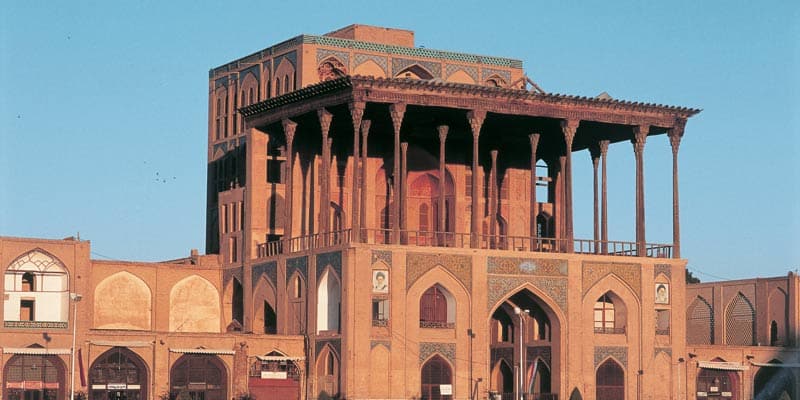
Naqsh-e jahan square isfahan
🎒 Final Thoughts: Why Visit Iran’s UNESCO Sites?
Iran’s 27 UNESCO World Heritage Sites offer far more than breathtaking architecture—they’re immersive experiences into a civilization that has influenced the world through its contributions to science, spirituality, art, and governance.
✨ Whether you’re a history enthusiast, cultural traveler, or nature explorer—there’s a tour that’s perfect for you.
📞 [Contact Us Now] to start planning your unforgettable journey through Iran’s timeless treasures.
📚 Related Travel Guides & Blog Posts
🔗 [Top 10 Historical Attractions in Iran You Can’t Miss]
🔗 [Persian Garden Architecture: Design, Symbolism & Top Locations]
🔗 [How to Travel in Iran: Tips for First-Time Visitors]
🔗 [Best Places to Visit in Iran’s Deserts: From Lut to Dasht-e Kavir]
🔗 [Zoroastrian Heritage in Iran: Fire Temples & Sacred Sites]
🔗 [Exploring Iran by Train: Trans-Iranian Railway Travel Guide]
🔗 [Cultural Festivals in Iran You Should Experience]
🔗 [How to Take Amazing Photos of Iran’s Historic Sites]