Do not hesitage to give us a call. We are an expert team and we are happy to talk to you.
_
_
_
_
_
_
_
_
_
Our 9-day Iran group tour offers an unforgettable journey through the heart of Persia, starting from Tehran and concluding in Shiraz. This all-inclusive tour takes you through some of the most famous and culturally rich cities in Iran, including Isfahan, Yazd, and Shiraz, giving you the opportunity to explore the country’s top UNESCO World Heritage Sites and experience Iran’s ancient history and Persian architecture.
3 Hours Before Flight Time
Based on your request
Private Bathroom included
Our 9-day group tour of Iran provides a blend of ancient history, UNESCO World Heritage Sites, and Persian cultural experiences. You’ll visit iconic landmarks such as Golestan Palace, Naqsh-e Jahan Square, Yazd’s Wind Towers, and the Persepolis ruins. This immersive experience offers a mix of modern cities and ancient Persian cities, rich with history and vibrant culture.
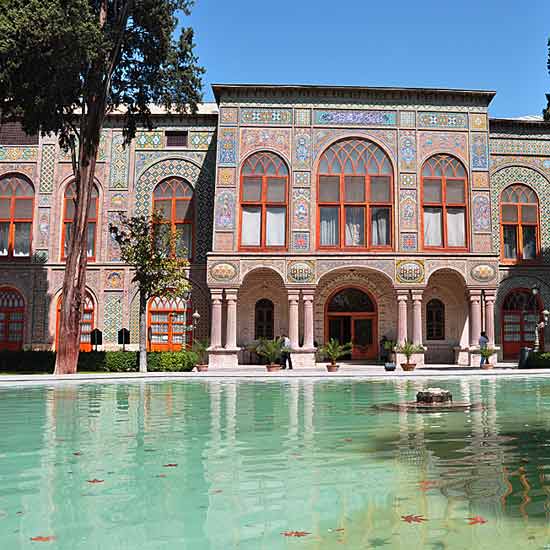
The tour kicks off with a visit to Golestan Palace, one of the most important historical sites in Iran and a UNESCO World Heritage Site. The palace complex, dating back to the Qajar dynasty, showcases stunning architecture, mirrored halls, and Persian gardens. It was the residence of the Qajar kings and the backdrop for many historical events in Iran.
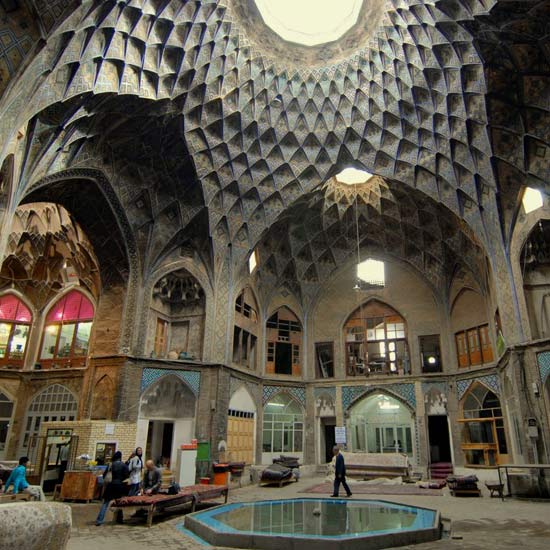
Just a short walk from the palace, we’ll explore the Tehran Grand Bazaar, one of the largest and oldest covered markets in the Middle East. This is where you can experience the true heart of Tehran: vibrant, bustling, and full of life. The bazaar is an architectural marvel with long corridors, hidden courtyards, and intricate tile work.
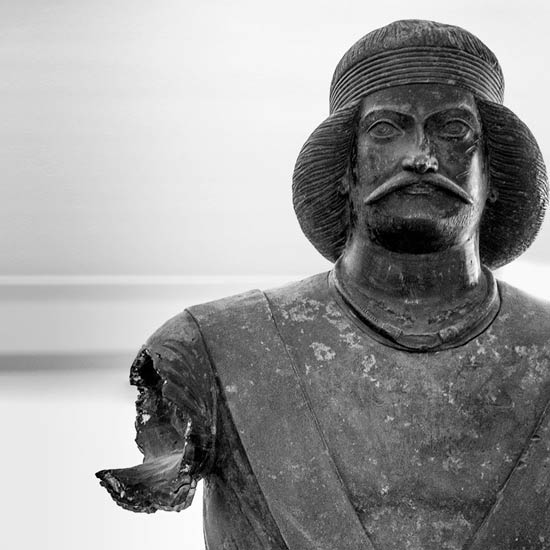
Then National Museum of Iran: The National Museum displays a vast collection of Iran’s archaeological treasures, spanning from the Paleolithic era to the Sassanid period. The Achaemenid artifacts are particularly famous, as they include sculptures and ancient inscriptions that tell the story of ancient Persia.
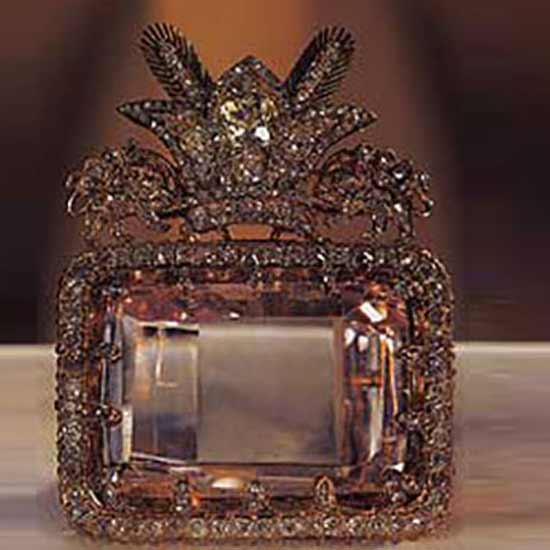
The last stop will be Jewelry Museum: Home to one of the most impressive collections of royal jewelry in the world, the Tehran Jewelry Museum houses artifacts that date back to the Safavid, Qajar, and Pahlavi dynasties. These treasures include the famous Naderi Necklace, Darya-ye-Noor Diamond, and other rare gems.
Overnight in Tehran.
On our drive to Kashan, we stop to explore the Fin Garden, one of the finest examples of Persian garden design and a UNESCO-listed site. This historic garden, built in the Safavid period, is an oasis of tranquility, with flowing water, fountains, and lush greenery that reflect traditional Persian aesthetic principles.
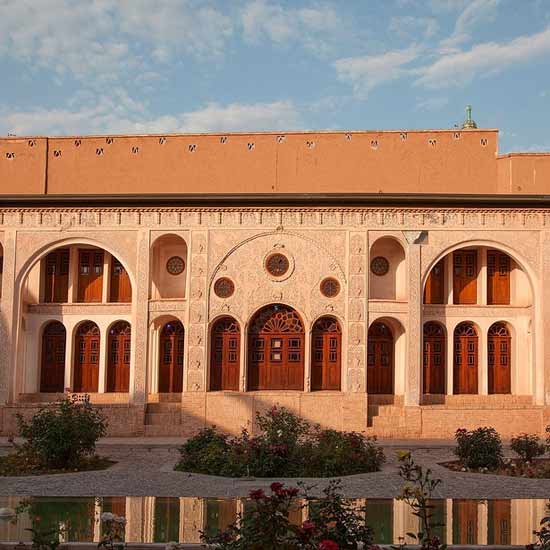
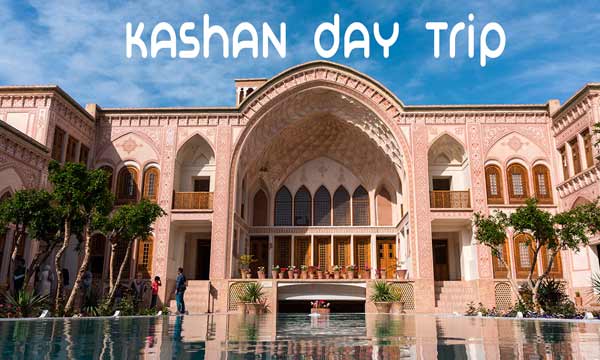
Then Boroujerdi and Tabatabaei Houses: These two traditional Persian houses are known for their stunning architecture, delicate frescoes, and intricate tile work. These houses were built for wealthy merchants in the 18th century and are examples of Kashan’s historical and architectural significance.
Yor next stop will be Sialk Mound: Explore Sialk Mound, an ancient archaeological site that dates back to around 3000 BCE. Here, you’ll see evidence of early human civilization in Iran, including remnants of pottery and early agricultural tools.
Overnight in Kashan.
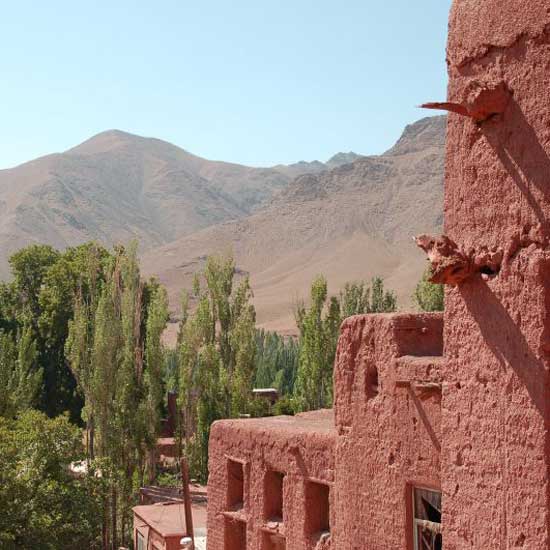
On our way to Isfahan, we stop in Abyaneh Village, one of the oldest villages in Iran. Famous for its red-clay houses and traditional architecture, the village is also home to residents who still wear their ethnic costumes. A walking tour through the narrow alleyways and picturesque surroundings offers a glimpse into Iran’s ancient rural life.
Upon arrival in Isfahan, we visit two iconic bridges—Si-o-Se Pol (the 33-Arch Bridge) and Khajoo Bridge. These beautiful Safavid-era bridges are stunning examples of Islamic architecture and offer perfect spots for photos, particularly at sunset.
Overnight in Isfahan.
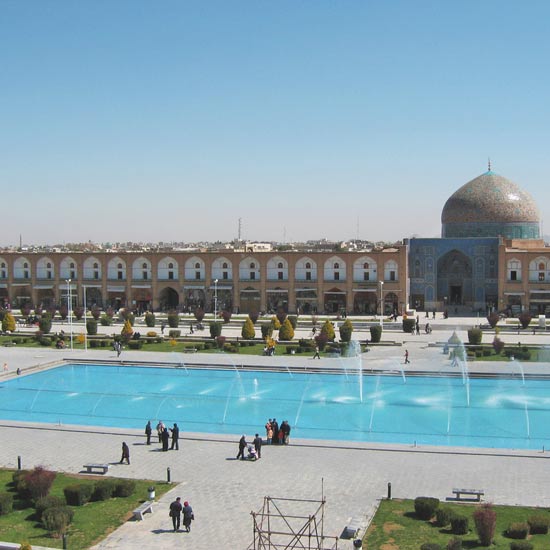
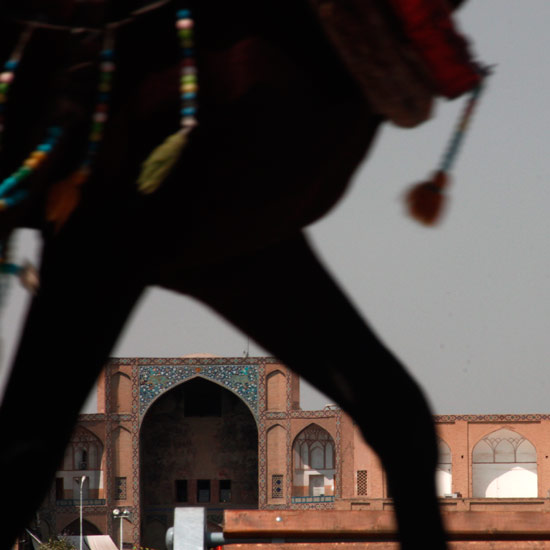
Start the day with a visit to Naqsh-e Jahan Square, one of the largest squares in the world and a UNESCO World Heritage Site. This monumental square is surrounded by magnificent Safavid-era buildings, including the Imam Mosque, Sheikh Lotfollah Mosque, Ali Qapu Palace, and the Qeysarieh Bazaar.
The Imam Mosque, one of the most famous landmarks in Iran, is a masterpiece of Islamic architecture, known for its majestic blue-tiled dome and intricate tile work. Nearby, the Sheikh Lotfollah Mosque is an architectural gem, famous for its stunning interior and its unique, asymmetrical design.
Visit the Ali Qapu Palace, a former royal residence with stunning frescoes and a magnificent balcony that offers panoramic views of Naqsh-e Jahan Square.
Later, we explore Chehel Sotoun, a palace surrounded by a beautiful garden. The palace is famous for its frescoes that depict scenes of the Safavid royal court.
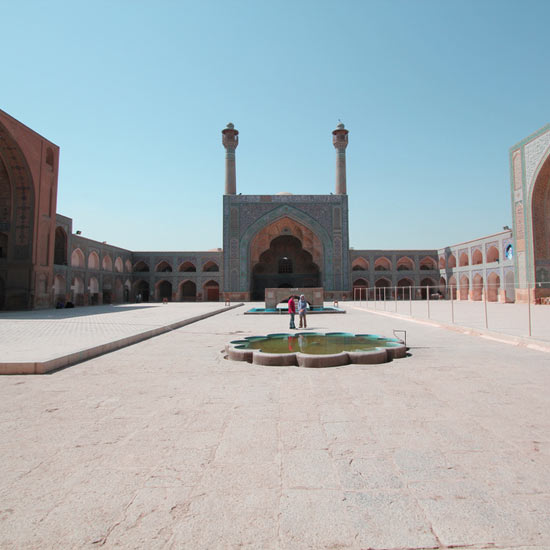
Jameh Mosque of Isfahan is one of the oldest in Iran and showcases the evolution of Islamic architecture over centuries. Its iwan-style design, large courtyard, and intricate tile work make it a must-see site.
Overnight in Isfahan.
Before leaving Isfahan, we make a stop at Nain to visit the Jameh Mosque. This mosque is a masterpiece of early Islamic architecture and features a stunning courtyard, minarets, and tile work that reflects Iran’s deep-rooted religious heritage.
Then drive to Meybod . In Meybod we visit the Narin Qaleh fortress, a mud-brick structure that has stood for over 2000 years. The Shah Abbasi Caravansary and Pigeon Tower provide further insight into Iran’s ancient desert culture and architectural ingenuity.
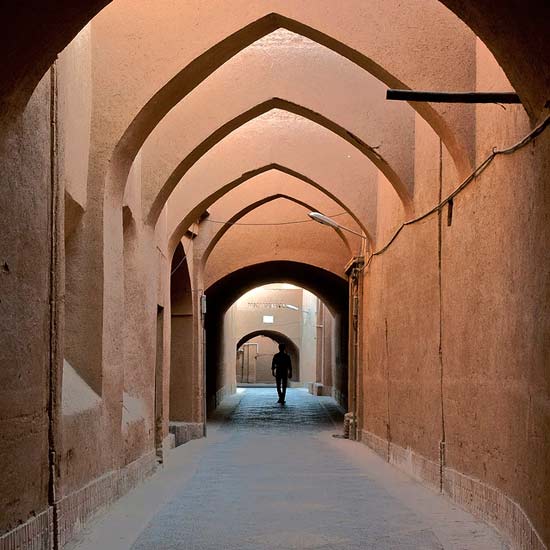
Arrive in Yazd, the city of wind catchers, where ancient Zoroastrian and Islamic cultures blend harmoniously. It is known for its wind towers, which were once used to cool homes in the hot desert climate.
Overnight in Yazd.
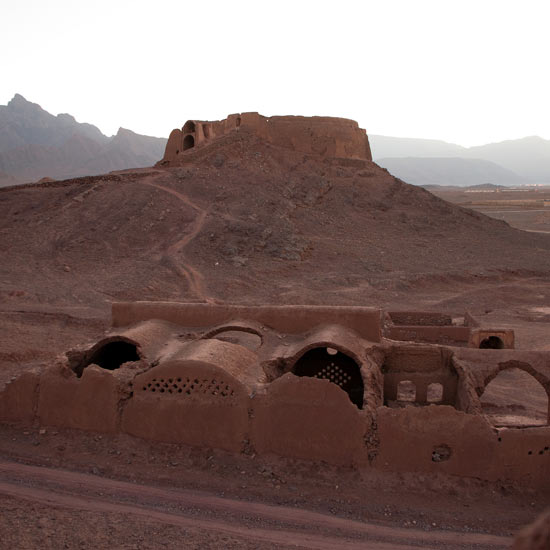
Begin the day with a visit to the Tower of Silence, where Zoroastrians once placed the bodies of the dead to be consumed by vultures, in accordance with their religious beliefs. The site offers spectacular views of the surrounding desert.
Visit the Zoroastrian Fire Temple, home to the eternal flame that has been burning since the 5th century AD. This sacred fire is central to Zoroastrianism, one of the world’s oldest known religions.
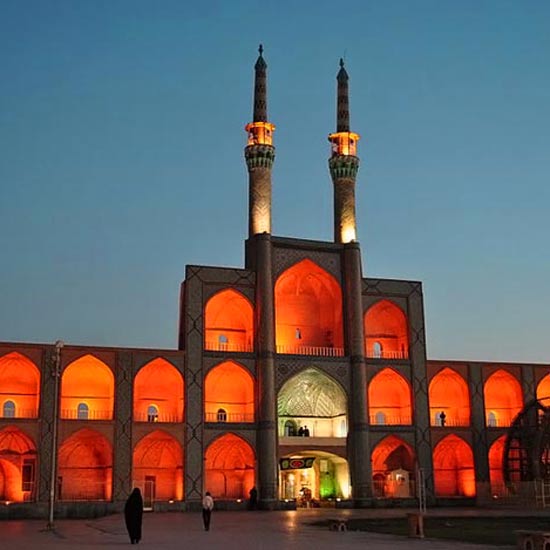
Then Visit the Amir Chakhmagh Complex, a stunning example of Persian architecture, famous for its symmetrical design and tall, striking minarets. The adjacent bazaar is a great place to explore local crafts and try traditional Persian sweets.
Explore the beautiful Dolat Abad Garden, known for its unique windcatchers and a stunning central pavilion. This Persian garden is a serene escape and offers insight into how the ancient Persians adapted to their harsh desert environment.
Overnight in Yazd.
On our way to Shiraz, we stop to see the Abarkuh Cypress, which is believed to be over 4,000 years old. This ancient tree is a symbol of resilience and the enduring beauty of Iran’s natural heritage.
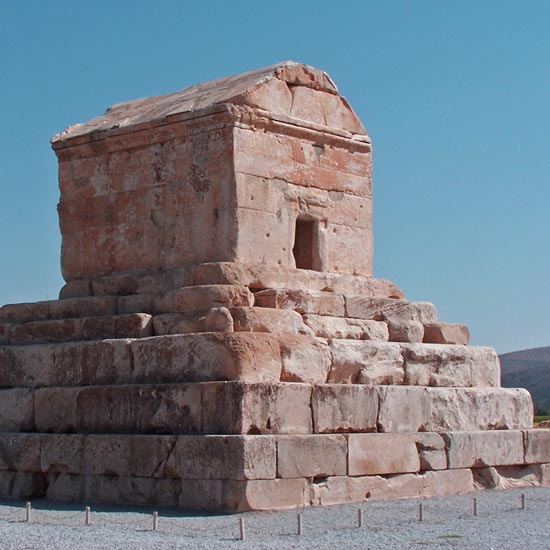
ThenVisit Pasargadae, the ancient capital of the Achaemenid Empire, where the tomb of Cyrus the Great is located. This UNESCO World Heritage Site is one of Iran’s most significant archaeological sites and a must-visit for anyone interested in ancient Persian history.
Overnight in Shiraz.
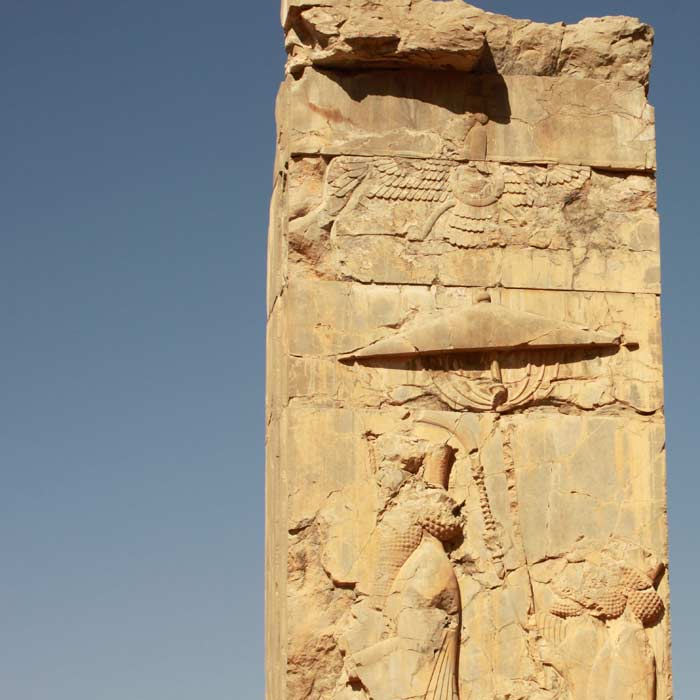
Explore the ruins of Persepolis, the ceremonial capital of the Achaemenid Empire. Founded by Darius the Great in 518 BC, Persepolis was the grand center of the Persian Empire. The Bas-Reliefs, the Gate of All Nations, and the Palace of Darius offer a glimpse into ancient Persian culture.
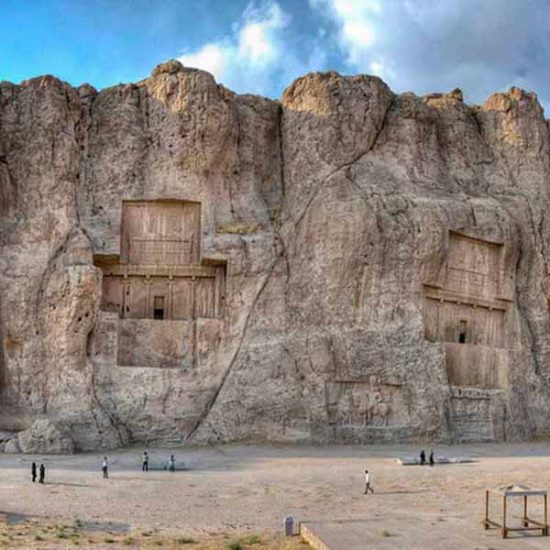
Necropolis (Naqsh-e Rostam) will be the next stop: This site features the tombs of Achaemenid kings carved into the cliffs, including the tomb of Darius I. The rock reliefs here depict royal processions and military victories, including Shapur I’s victory over the Roman emperor Valerian.
Naghshe Rajab: Continue to Naghshe Rajab, a site with several large rock reliefs depicting the reigns of Sassanian kings, including Shapur I.
Overnight in Shiraz.
Begin your final day with a visit to the Zand Complex, built during the reign of Karim Khan Zand, the founder of the Zand Dynasty. The complex includes:
Vakil Bazaar: One of Iran’s most atmospheric bazaars, where vaulted brick ceilings, colorful spice stalls, handwoven carpets, silver jewelry, and local handicrafts make it a perfect place for last-minute souvenirs. The lively scenes here offer an authentic shopping experience and a glimpse into Shiraz’s traditional lifestyle.
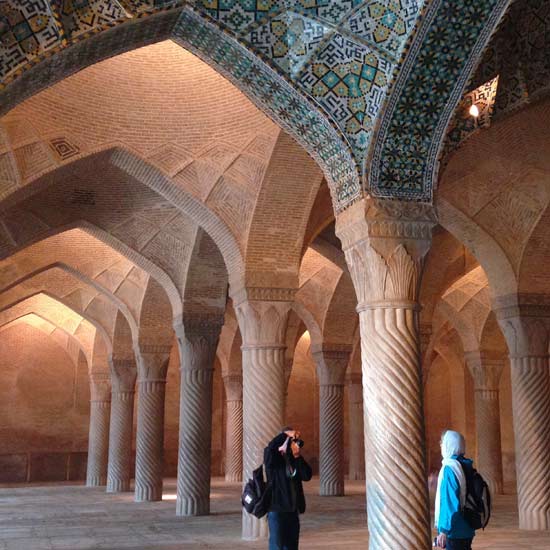
Vakil Mosque: Known for its impressive pink-colored stone columns and echoing prayer halls, this mosque is an architectural marvel of the Zand period. Don’t miss the intricate tilework on the mihrab and the spiral pillars of the prayer hall.
Vakil Bathhouse (Hammam-e Vakil): This beautifully restored public bath reveals the Persian bath culture. Wax figures and visual presentations showcase traditional rituals, making it a fascinating cultural stop.
Arg-e Karim Khan (Karim Khan Citadel): Visit the Karim Khan Citadel, once the royal residence and government headquarters. With its towering brick walls and leaning cylindrical tower, it’s a historic highlight of Shiraz that offers a journey into 18th-century Persian court life.
Next, experience the surreal beauty of the Nasir al-Mulk Mosque, also known as the Pink Mosque due to its vibrant rose-colored tiles. Its most magical feature is the stained-glass windows, which cast a kaleidoscope of colors onto the floor and walls when morning sunlight streams in. It’s one of the most Instagrammable spots in Iran and a masterpiece of Qajar-era architecture.
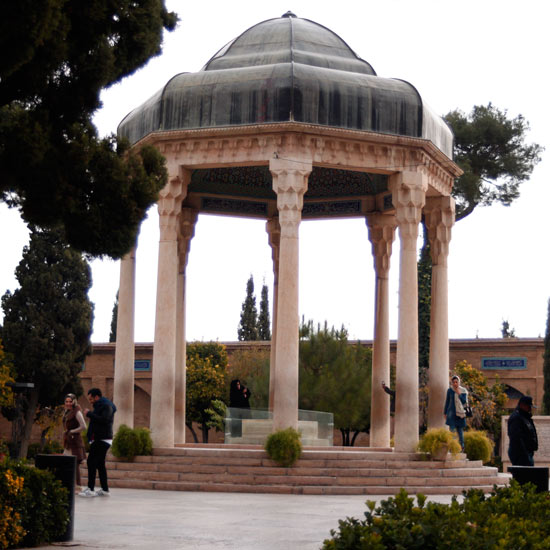
Mausoleums of Hafez & Saadi: Visit the tombs of two of Iran’s most beloved poets:
Hafez: The tranquil Hafezieh Garden surrounds his tomb. Locals and tourists alike visit this peaceful spot to read his poetry, which often explores themes of love, mysticism, and resistance.
Saadi: A short drive away lies the tomb of Saadi, another revered Persian poet. His works have influenced generations with themes of morality, humanity, and wisdom.
Ali Ibn-e Hamzeh Shrine: Your final stop is this beautiful shrine, known for its spectacular mirror work that dazzles visitors. The atmosphere is serene and spiritual, providing a reflective end to your journey.
Farewell & Transfer: After a full day of exploration and cultural immersion, you’ll be transferred to Shiraz International Airport for your departure flight, taking with you unforgettable memories of Persia’s timeless beauty.
Overnight: Shiraz (or departure based on flight schedule).
in brief, we can explain it for two reasons.
First of all, you will save up your time and costs, besides that, some people probably don’t like to use domestic flights. As a result, we arrange this ground tour.
Subsequently, as Both Tehran and Shiraz have international airports, we generally recommend you, book your international flight in a way that you enter Tehran and leave here from Shiraz. If it is not a good choice for you, then, don’t worry! Just ask our colleagues to book your ticket to Tehran at the end of the trip. You can take a bus, train, or flight as well as private transfer by car from Shiraz.
First, besides exploring Iran as a new destination and meeting local people, your group members will be probably from different countries so you can easily make new friends.
The second one, everything is arranged in advance so there is nothing to be worried about.
The third one, the guide usually is the most important advantage of the tour because he/she can handle all emergencies in case.
The fourth one, you can save up your costs and time.
The fifth one, the tour includes accommodation in hotels as well as entrance tickets, an expert English-speaking guide, meals (breakfast, Lunch, and dinner), your entire transfers, and transportation during your trip. In other words, the only things you need to do is, book your international flight and collect your visa.
Above all, as a travel agency, we are always here to help.
And finally, If you arrive earlier or leave Iran later than our group tour timetable, ask our colleagues to give you the extra services you need.
For sure. Just let us know.
Iran is a safe country and it has a great level of medical range but anyway, caution is necessary for any country while you are traveling.
There are dress codes in Iran that you need to follow but don’t worry, the rules of wear in Iran aren’t so strict for tourists and foreigners.
Women can wear a tunic, jeans, loose pants, a long ankle skirt, and a scarf (Hijab in Iran is compulsory) and Men can wear everything except short pants that end above or at the knee.
In case you wish to cancel your tour and do not wish to reschedule the tour due to any reason the cancellation policy will be as follow
30 days prior to departure: 25% of the total charge
Between 30 to 7 days prior to departure: 50% of total charges
Less than 7 days prior to departure or no-show: 100% of total charges.
Our Agency accepts both Euro and dollars (USD).
For your other costs in Iran, you need to bring Euros and dollars in cash then you can easily change them at the exchange offices.
The currency in Iran is Rial and all of the bills are according to it. All money should be exchanged with Rial, but you will also hear about Toman so don’t get confused. For example, 100,000 Rials equals 10,000 Tomans or 10000 Rials equals 1000 Tomans.
Please be informed that credit cards don’t work in Iran and all expenses here should be paid in cash in the local market.
A few souvenir shops accept credit cards.